
The PEACH Pit
Horses helping heal your heart and mind. Come join us at the barn.
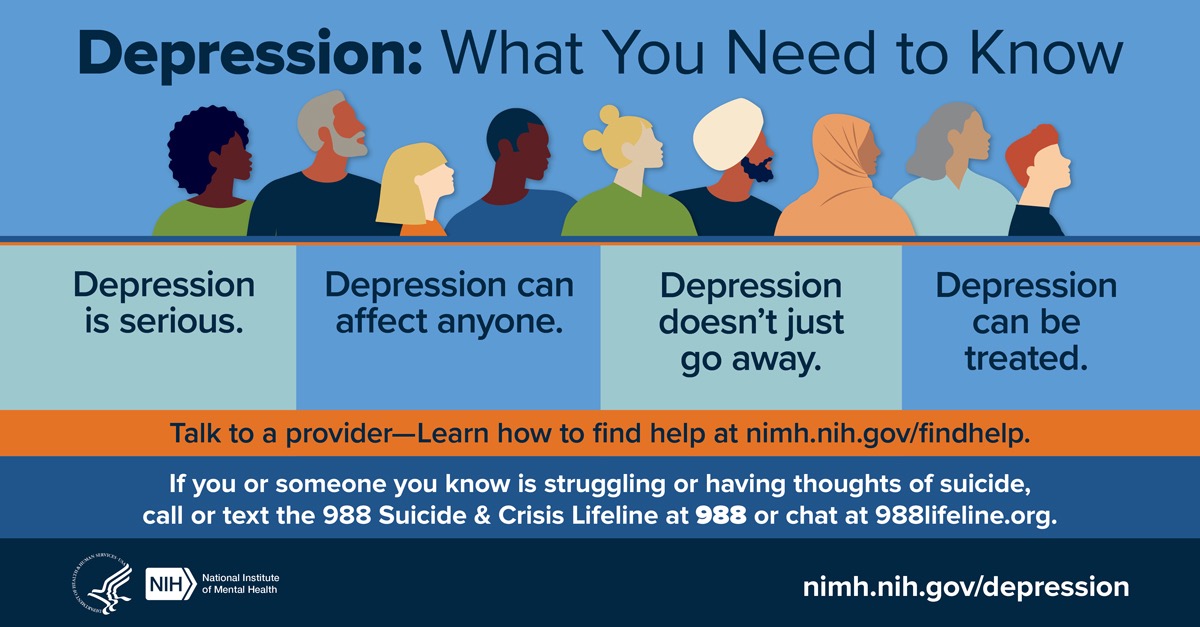
Depression is common but treatable

Everyone feels sad or low, but these feelings usually pass. Depression is different and has severe symptoms that affect how people feel, think, and act. Learn the signs and symptoms of depression, how it is diagnosed, treatments, and ways to get help. https://go.nih.gov/0uqAIBh #shareNIMH
Thrive After Service: Veterans Mental Health Support Essentials
Hey All!
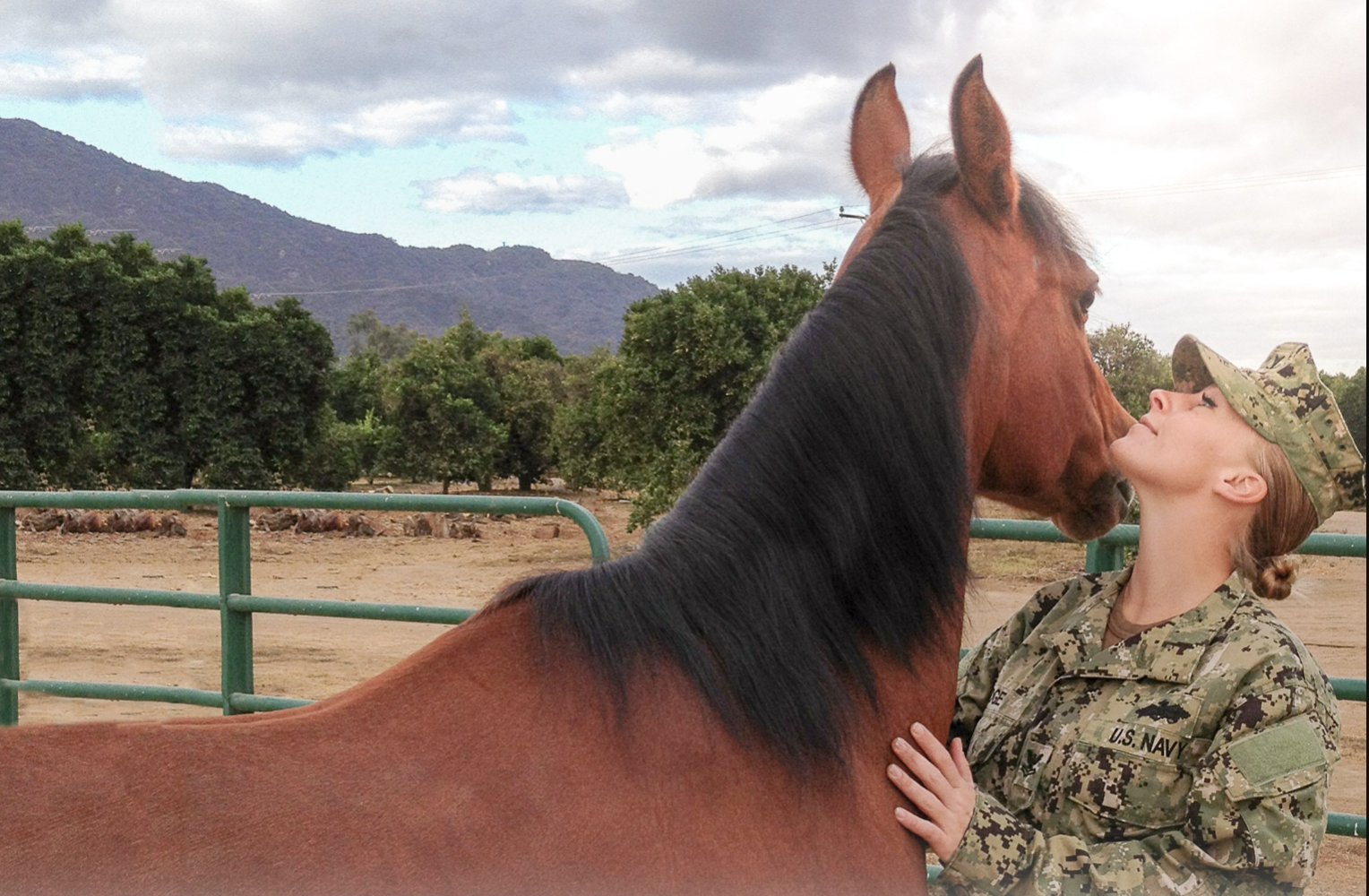
The transition from military service to civilian life presents unique challenges for Veterans. Adjusting to new routines, workplaces and social environments can be stressful and many Veterans face mental health concerns, including anxiety, depression and PTSD. Providing structured support during this period is essential for promoting well-being, independence and successful reintegration.
Key challenges during the transition include navigating employment opportunities, accessing healthcare, reconnecting with family and establishing a sense of purpose outside of service. Social support networks, community programs and Veteran-specific resources play a critical role in easing these transitions. Access to mental health services, mentorship and career development initiatives has been shown to improve outcomes for returning servicemembers.
Organizations that provide trauma-informed care, peer support and skills-based programs are especially effective in addressing both emotional and practical needs. Programs such as equine-assisted psychotherapy, vocational training and counseling services can help Veterans manage stress, rebuild confidence and develop coping strategies for daily life.
Communities and families also have an important role in creating supportive environments. Encouraging open dialogue, fostering understanding of military experiences and connecting Veterans to resources reinforces stability and promotes positive adjustment.
Supporting Veterans is not a short-term effort but a sustained commitment. When organizations, communities and families collaborate to provide comprehensive support, Veterans are better equipped to navigate civilian life successfully, maintain mental wellness and thrive beyond service.
Thank you for your service, Veterans. Now, let your community give back to you. Call us at 478-827-3224.
Check on your Veteran buddy this week
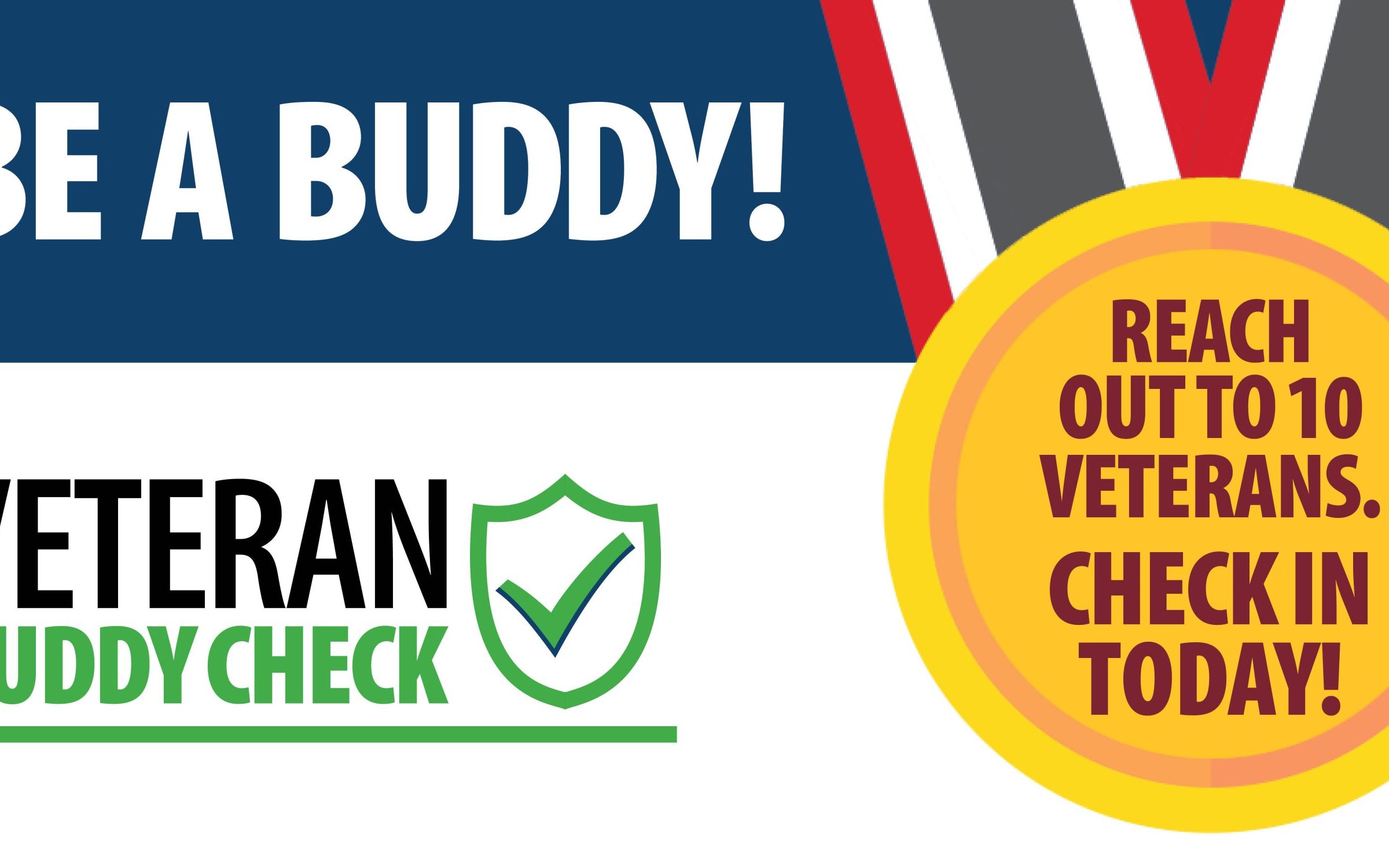
No Veteran should ever feel alone.
In the military, we learned to rely on each other. Now we’re out, and that hasn’t changed. We all need help sometimes, but do you know when your buddies need help?
Join the Veteran community to contact a buddy during Buddy Check Week, and encourage others to check in with their battle buddies or rekindle old friendships, too.

Reach out to your Veteran friend. Talk about your family, where you live now, how life has changed since you were back on base or on post together.
Buddy Check Week runs through Saturday, continuing the mission of building meaningful peer-to-peer connections, reducing isolation, and improving access to both VA and community-based resources.
Take the pledge to contact up to 10 Veterans.
Take the training to learn how to do a buddy check and recognize warning signs of a buddy in distress. The video walks you through what to say, how to listen, and how to connect someone to help when they need it most.
Find buddies. Join TogetherWeServed and RallyPoint to ask questions and share stories about connecting with peers, friends, families from service.
If you’ve lost touch with a Veteran friend, use this week as an excuse to reconnect. Encourage others in your sphere to reach out, too — whether through a phone call, visit, or text. Either one can open doors to healing, strengthen protective factors, and connect them to the care they need.
Here are some resources to share with Veterans (or for you to use, if you need them):
- Veterans Crisis Line: 988, then press 1
- Military Services Crisis Line: 866-781-8010
- Text: 838255
Together, we can help ensure no Veteran feels alone, and that every Veteran knows support is just one conversation away. Take the Pledge to #TalkToTen
You won’t break my soul
A few weeks ago, I walked out of a room in the gym and heard, “You won’t break my soul” and saw a woman walking out of another gym room dancing and singing while Beyonce’s song blasted over the speakers.
“I want to be like you when I grow up,” I said to her as she continued dancing and singing. Like, full on body movement and singing like she was in the shower alone.
She chuckled and said, “That song does it for me. It hits me deeply. Four months ago, I couldn’t even get out of bed because I was so depressed. Coming to the gym saved me.”
Movement is critical to getting unstuck.
For my fellow gym mate, that meant working out daily. For others, it might mean simply getting out of the bed and taking a shower.
Depression can cause a shutdown of all things not necessary for survival. Depression can consume the body and the mind.
If you don’t have the energy to get out of bed, sit up in the bed.
If you don’t have the energy to take a shower, brush your teeth or wash your face.
If you don’t have the energy to exercise, stand up and raise your hands over your head.
If you don’t have the energy to leave the house, go to a different room.
Little movements can lead to bigger ones.
The woman at the gym started with a day or two a week four months ago. Now, it’s a daily part of her routine. The depression is lifting.
Don’t let depression break your soul. If you’re feeling stuck, move. You might be the one to motivate someone else to stick around.
Be the reason someone stays

As part of Suicide Prevention Awareness Month, we want to share what could lead someone to feel this way.
Mental health challenges are illnesses, just like physical ones. Mental illness can be chronic and long-term. Many factors can play a part, including physical conditions, someone’s environment, chemical imbalances, trauma or destructive coping mechanisms.

Sometimes, because of a lack of resources or education, people develop survival mechanisms that help them get through the chaos—but unfortunately, these can have negative impacts.
Feeling suicidal does not mean someone is broken. It means they may need additional help, education or resources. Think of the saying, “the straw that broke the camel’s back.”
For some, the weight of many struggles means that just one more thing can feel unbearable.
We all carry burdens, and what feels like a pond to one person might feel like an ocean to someone else.
So today, we encourage you: Help someone out. Be kind. Sometimes one small act of kindness could be the reason someone stays. Give hope—to yourself, to those around you and even to strangers.
Help us build a community of love and kindness. 💙
If you or someone you know is struggling, please reach out for help:
- 988 Suicide & Crisis Lifeline – Dial or text 988
~The PEACH Pit
How can I donate?

Buy on Amazon?

 The PEACH Pit